



How To Improve Your Car’s Fuel Efficiency
If you’re like many of us drivers, you want the most you can get out of your vehicle. A vehicle represents a significant investment, including the gas you need to ensure you get where you need to go. That being said, it’s important to recognize when your car’s fuel efficiency needs a tune-up. Identifying the signs of low fuel efficiency and improving them can help your vehicle operate more effectively and might even save you some money at the pump. Let’s look at some ways you can improve your fuel efficiency.
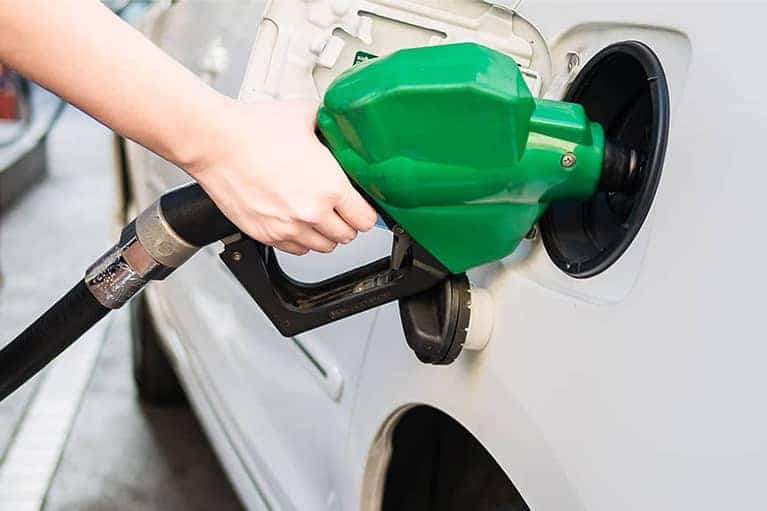
What Is Fuel Efficiency?
Before we explain how to improve your car’s efficiency, let’s talk about what efficiency actually is and what it means. Your vehicle’s fuel efficiency refers to how far your vehicle can drive with one gallon of fuel. That’s why miles per gallon is the metric most closely associated with describing efficiency. Hybrid vehicles, compact vehicles, and electric vehicles generally get the best mileage since they’re lighter, designed to be more efficient, or depend mostly or entirely on electricity for fuel. There are many factors that impact your vehicle’s efficiency, including weight, accessories, engine performance, fuel type, and more components.
How To Improve Your Car’s Fuel Efficiency
Now that you understand what fuel efficiency is, you can learn some of the most common ways to improve your car’s efficiency. Here are some tips to ensure you attain the optimal fuel efficiency for your car.
Gauge Tire Pressure
One easy way to improve your car’s fuel efficiency is to check your car’s tire pressure at least once or twice every month. Tires with the incorrect amount of pressure can’t bear the weight of the vehicle or navigate terrain as easily, which can mean your vehicle is working harder than it needs to be. Make sure you inflate each tire to the manufacturer’s recommendation, which you can typically find on the tire itself or just inside the driver door on the information panel.
Use Cruise Control
Take advantage of the vehicle’s cruise control function if you have it. This is an excellent tool that allows you to set a specific, consistent speed for the vehicle so you aren’t constantly accelerating or slowing down. Of course, this function only works efficiently if you have open, lengthy road before you, like on the highway, but some vehicles have intelligent cruise control with stop and go technology so you can use it on city streets, too.
Avoid Idling
Avoid idling your vehicle wherever you can. When vehicles idle, they can actually use more fuel than if you were to turn off the vehicle and start it again. If you need to idle for more than a few minutes, turn off your vehicle to save fuel and also avoid needless emissions.
Seek Maintenance
Monitor your vehicle’s mechanical health so you can identify any problems as early as possible. If you let certain mechanical issues persist, such as corroded battery wires, transmission issues, or fuel line issues, you might be drastically reducing your vehicle’s fuel efficiency and potentially compromising its safety. Address any mechanical issues as soon as possible to maintain proper fuel efficiency.
Reduce weight
Reduce the weight your vehicle carries by removing accessories like bike racks, roof racks, extra items in the trunk, or heavy child seats. The more weight you put inside your vehicle, the harder it has to work to support that weight at higher speeds, reducing your overall fuel efficiency. This is why smaller, more compact vehicles generally get better mileage because they’re not trying to pull so much weight.
Check Oxygen Sensors
It’s also important to make sure your vehicle’s oxygen sensor, or O2 sensor, is working. It helps control fuel delivery to the engine, which can massively reduce or improve your gas mileage, provided it’s working correctly. Change this sensor as you would your vehicle’s spark plugs, following the manufacturer’s recommendations included in the vehicle’s handbook.
Practice Efficient Driving
Learning to drive better can also improve your vehicle’s fuel efficiency and might also improve your overall safety. Learn to drive consistently, with light braking and fewer hard accelerations. The smoother you can make your driving, the easier it will be for your vehicle to maximize its fuel supply. Hard stops, sudden accelerations, and stop-and-go driving can all reduce fuel efficiency and cause greater wear and tear on the vehicle’s mechanical components.
Choose the Right Fuel Type
Choosing the right kind of fuel to use in your vehicle is crucial to improving fuel efficiency. Some vehicles require a higher octane fuel, which means you’re going to pay more at the pump. However, that extra cost is nothing compared to the mechanical issues you can encounter using the wrong fuel in your car. Check the owner’s manual to see what kind of fuel the manufacturer recommends and stick to it if you can.
Limit the Number of Trips You Take
Try to combine as many vehicle trips as you can into one trip to maximize your mileage. Instead of running errands three times per week, consider combining those errands into one trip or completing them after or before going to work. If there are stores or shops in between your home and office, you can make stops without reducing your fuel efficiency too much. This is always more efficient than going back out two or three more times during the week.
Remain Aware of Your Foot Placement
One of the main causes of reduced fuel efficiency for the average driver is foot placement during driving. Leaving your foot even slightly on the brake can create something called mechanical drag. This is where the mechanical components are experiencing resistance from constant brake pressure, forcing the vehicle to compensate and burn more fuel. Take your foot off the brake when you drive and learn to brake more smoothly for better efficiency.
If you’re looking for fuel-efficient vehicles in Corinth, check out Huffines Subaru Corinth’s inventory for premium pricing and service or contact us with any questions you may have.
0 comment(s) so far on How To Improve Your Car’s Fuel Efficiency